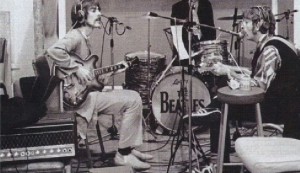
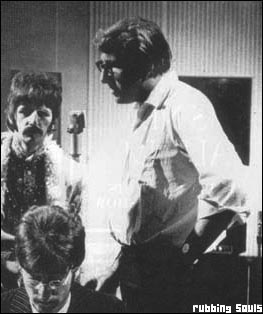
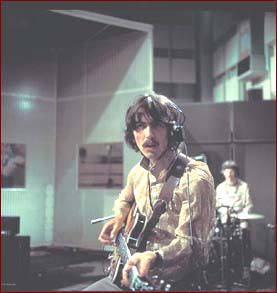
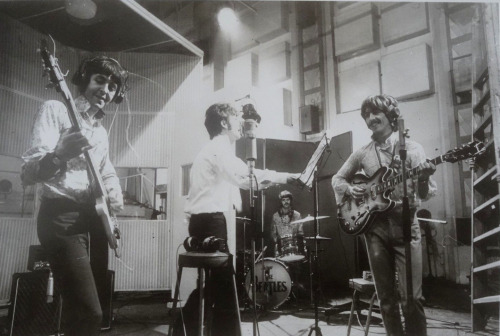
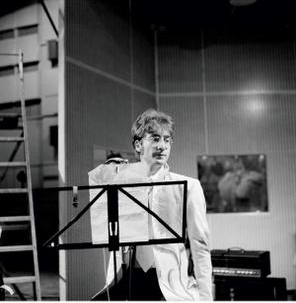
Alan Powell, then drummer with the mod band “Ivan’s Meads” (and later on Hawkwind), gave permission to quote some memories of recording at Abbey Road around 1965. The specific details are a little hazy now, “…almost as if the whole thing was a dream” ( -might it even have been during/after the recording of Help? It could have been slightly earlier than he originally recalled)…. Rubber Soul would be released in December; the 7-series amps would arrive in the studio the following April ( brought in by Mal, having picked them up from Vox). This snapshot though gives us a fleeting glimpse of London’s Abbey Road studio, and the environment in which they were to arrive.
“…I remember making my first record. By this I mean real record – major label (Parlophone), big time producer (Ron Richards – he was the guy behind all the Hollies hits) and big time Studio.That would be E.M.I. Studios on Abbey Road.
This was 1965 so Abbey Road had not yet become the world famous icon it was destined to become. The band I was in then was Ivan’s Meads, a “mod” band fashioned after the Who. We were the next big thing from Manchester, we already had screaming girls at the shows we did and we were well on our way to pop stardom but going to London to actually make a record with Parlophone, one of the top labels in the U.K. with the aforementioned Ron Richards was big time.
 Heady stuff for a bunch of 18 year old Manchester lads. We left Manchester in our old converted ambulance, which served as our equipment wagon and bus, around 6a.m. so we would arrive at Abbey Road studios around 2p.m. None of us had ever been to swinging London, the centre of the known universe, before and we were excited and nervous. This was a big, big deal you must understand.
We parked our van near a pedestrian crossing which would, in just a few years become the most famous pedestrian crossing known to man. We carried our equipment into the unimposing building and were told to get set up in Studio 2. We walked into Studio 2.
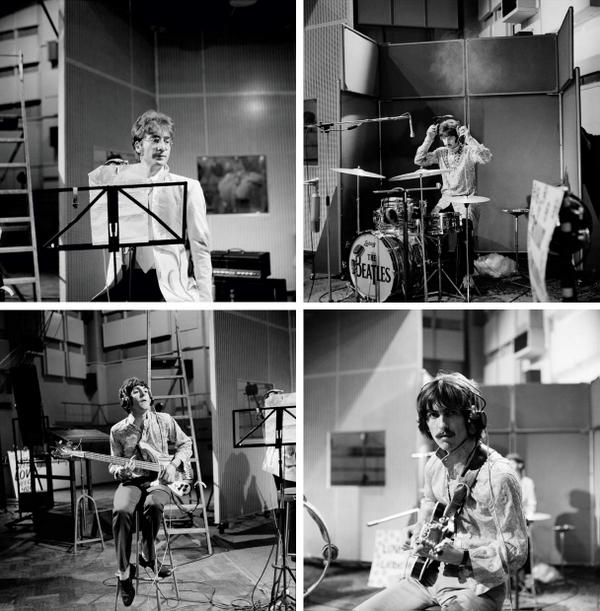
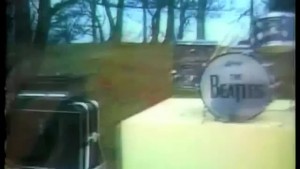
The air was a little stale and full of smoke. Scattered around the room were half empty bottles of coke and some magazines. Obviously someone had just been using the studio. And there, right in front of us, next to where we would be recording was the most awesome, jaw dropping sight we had ever seen a line of vox amplifiers with a gretsch guitar on one, a Hofner violin bass on another, and a Rickenbacker guitar on the other. In the middle was a Ludwig drum kit. On the front head, written in black paint, it said “The Beatles”.
You have to understand that (in 1965) the Beatles were living gods. London, or swinging London as it was then referred to, was the most happening, fantastic place a teenage guy could possibly be. No other location on Earth had the mystique, the magic, or the allure that the city had. And the Beatles lived there so that sealed the whole deal. And there we were in the same studio THEY were in. just a few minutes prior to us walking in, the Fabs were recording a new album which would be called “Rubber Soul”.
For some strange reason which I find hard to explain, being in the studio with just the Fabs guitars and drums had more impact on us than if the Beatles had been there in person.
Postscript: the record we made that day was released and became a hit and Ivan’s Meads became pop stars for a year or so. I really believe that making that record whilst in the presence of the Beatles gave it some kind of phantom push and helped it to become a hit… “
( originally found on the great ‘Manchester Beat‘ site )
Alan went on to work with Vinegar Joe in the 70s. He would go on to collaborate and co-write with Robert Palmer, his friend from Vinegar Joe. He also formed a band with Brian Jones of the Damned in 1978, recording a Peel session before going on to tour with Black Sabbath, before moving to the States.
“..By the way, the best book I have read about the start of the British ‘Beat’ Scene in the late 50’s through the 60’s and the gear that was used in that period is: 17 Watts? by Mo Foster….Check it out, its a gem. Best, Al Powell”
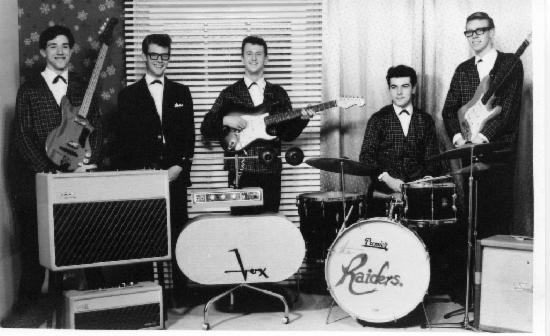
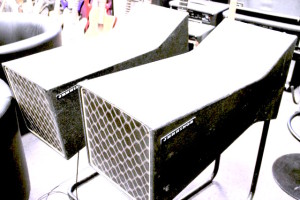
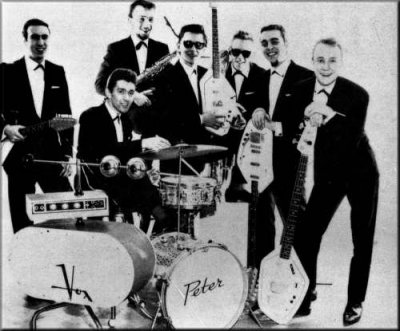 Soon after Vox started making solid-state amps, circa 1964, a pair of Vox Super Transonic amps were manufactured and given to the Jaywalkers to try out on stage. Pete believes they were the only pair ever to leave the factory. They were essentially fully-working prototypes which were given to the band to test on the road. After a quick trial we found they were unsuitable for public consumption and for any kind of bass or low-end instrument because of their small 3-inch tweeters. They were barely passable for lead guitar and rhythm guitar. We used them on tour for about a week before shipping the remains (I think in a coffin) back to the Vox factory in Dartford along with our disgruntled evaluation: In comparison to the trusty AC30s, they were a load of crap. The transistor amps sounded distorted, toneless, thin and nasty. The tweeters soon blew, the chrome hardware broke, the counter weights fell off, the casters broke, and the fuses continually blew. Even the Vox logo fell off. Needless to say, they never went into full production. The two 12-inch speakers in the lower cabinet were whatever Vox was using at that time in its AC 30s. However, the Super Transonic looked really cool. The amp and speaker cabinets were covered with the same orange vinyl cloth that was used later on the Vox Continental organ. The grill cloth was a light beige. The two tweeters were housed in circular chrome balls, balanced by a solid counterweight. They would rotate horizontally but not vertically”. *UPDATE; here are some pics we’ve found of another band using the rare super-transonic amps, Jamie & the Raiders, around 1963;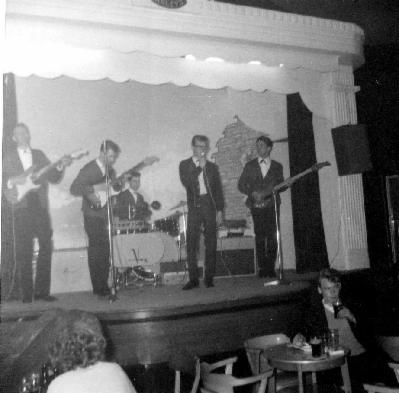
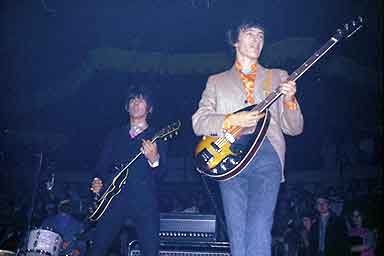
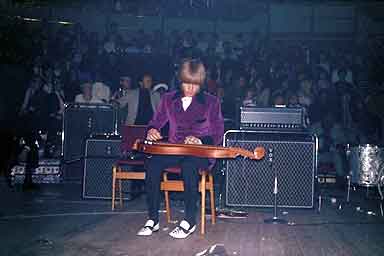
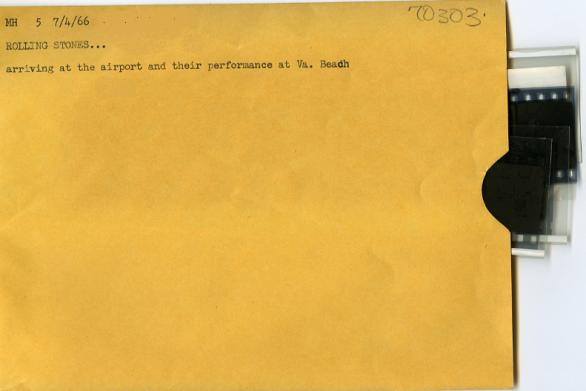 Below are ten never before published shots from that envelope. We hope you enjoy them.
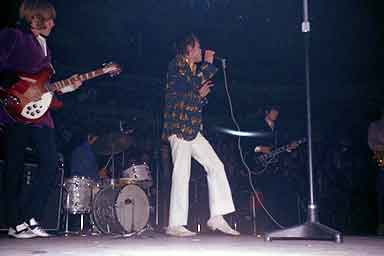
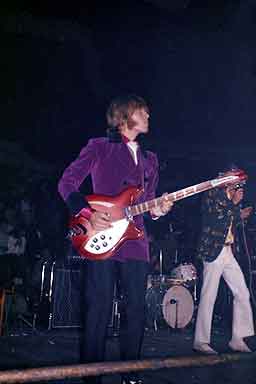
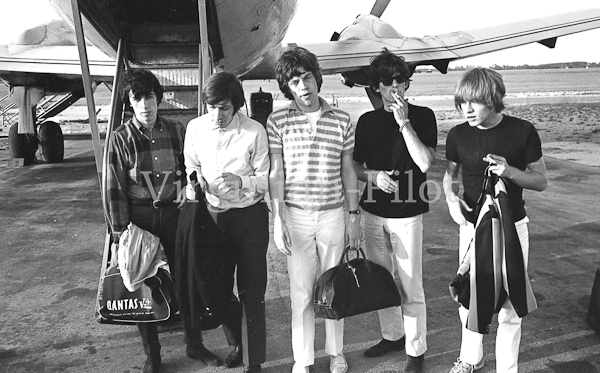 The band’s plane landed at Norfolk Airport at 6:30 p.m for a 7:30 show at the Dome. After eating dinner on board the chartered plane, the group strolled briefly on the tarmac.
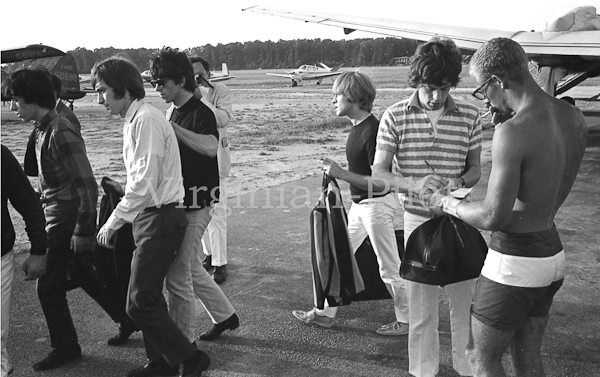
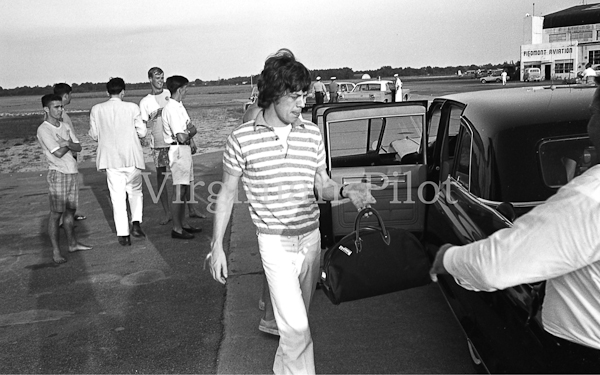 A fast, police-escorted limousine ride to Virginia Beach ends with the Stones being led into the Dome in the middle of a police flying wedge that
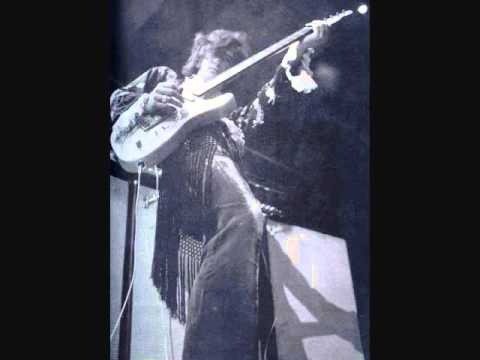
 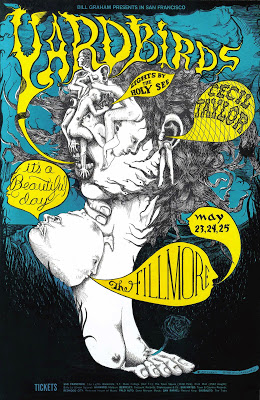 We noticed these pics on an excellent site about the final days of the Yardbirds in 1968 (
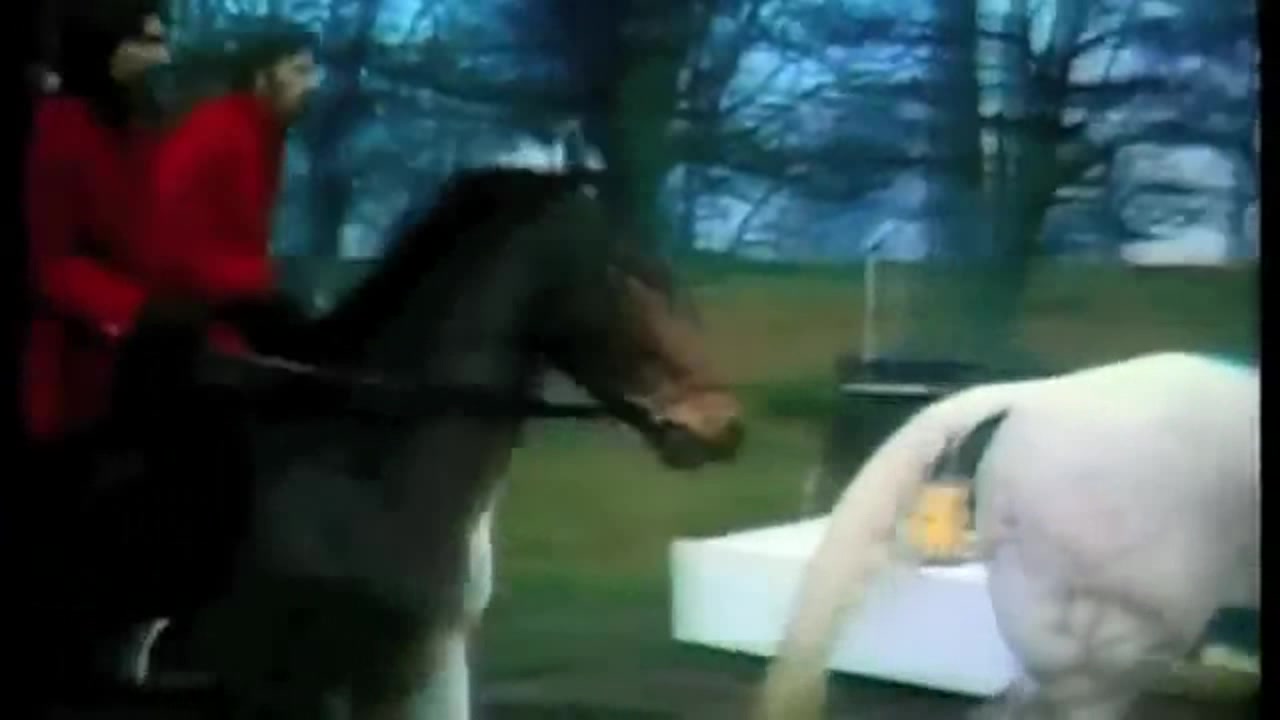


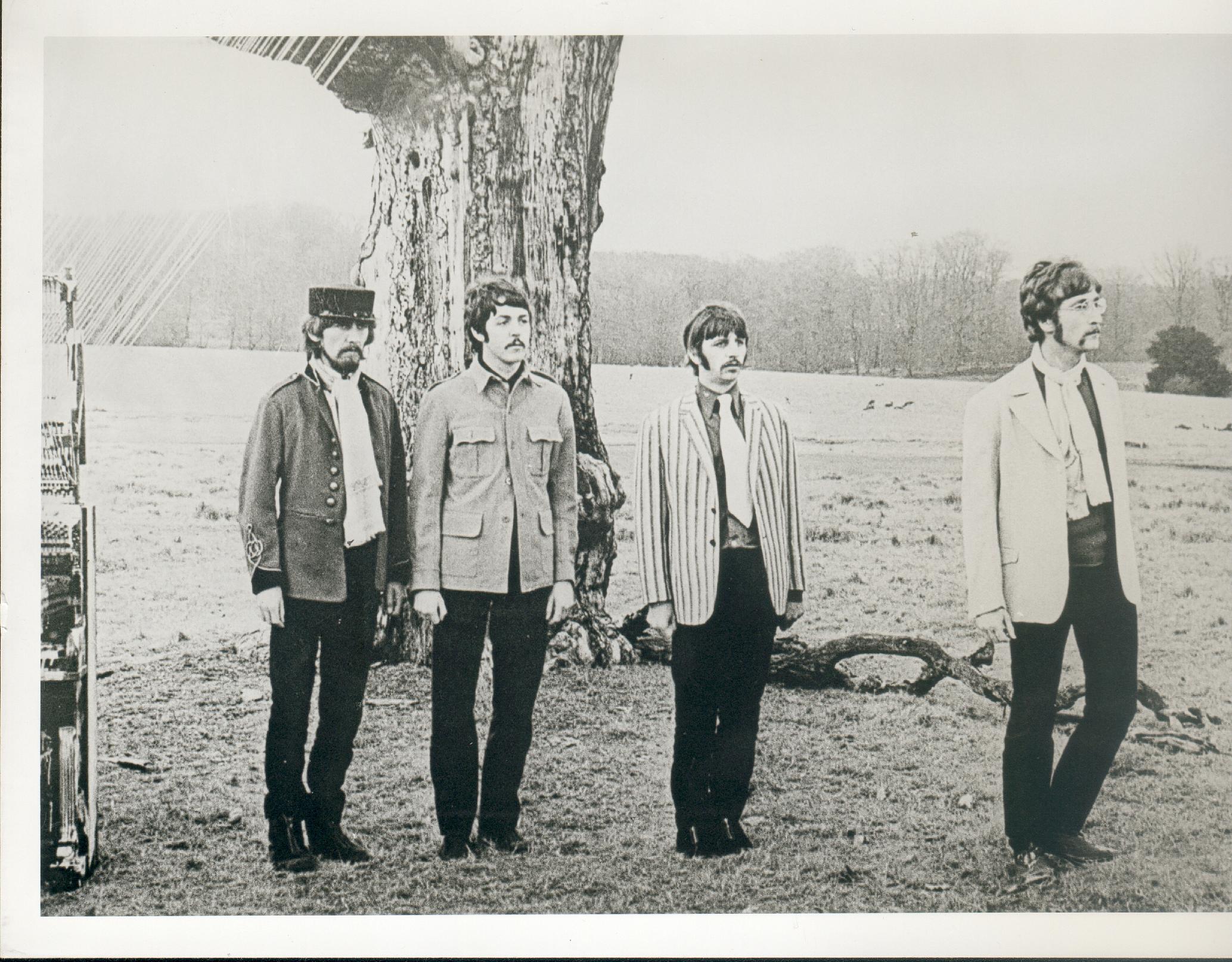
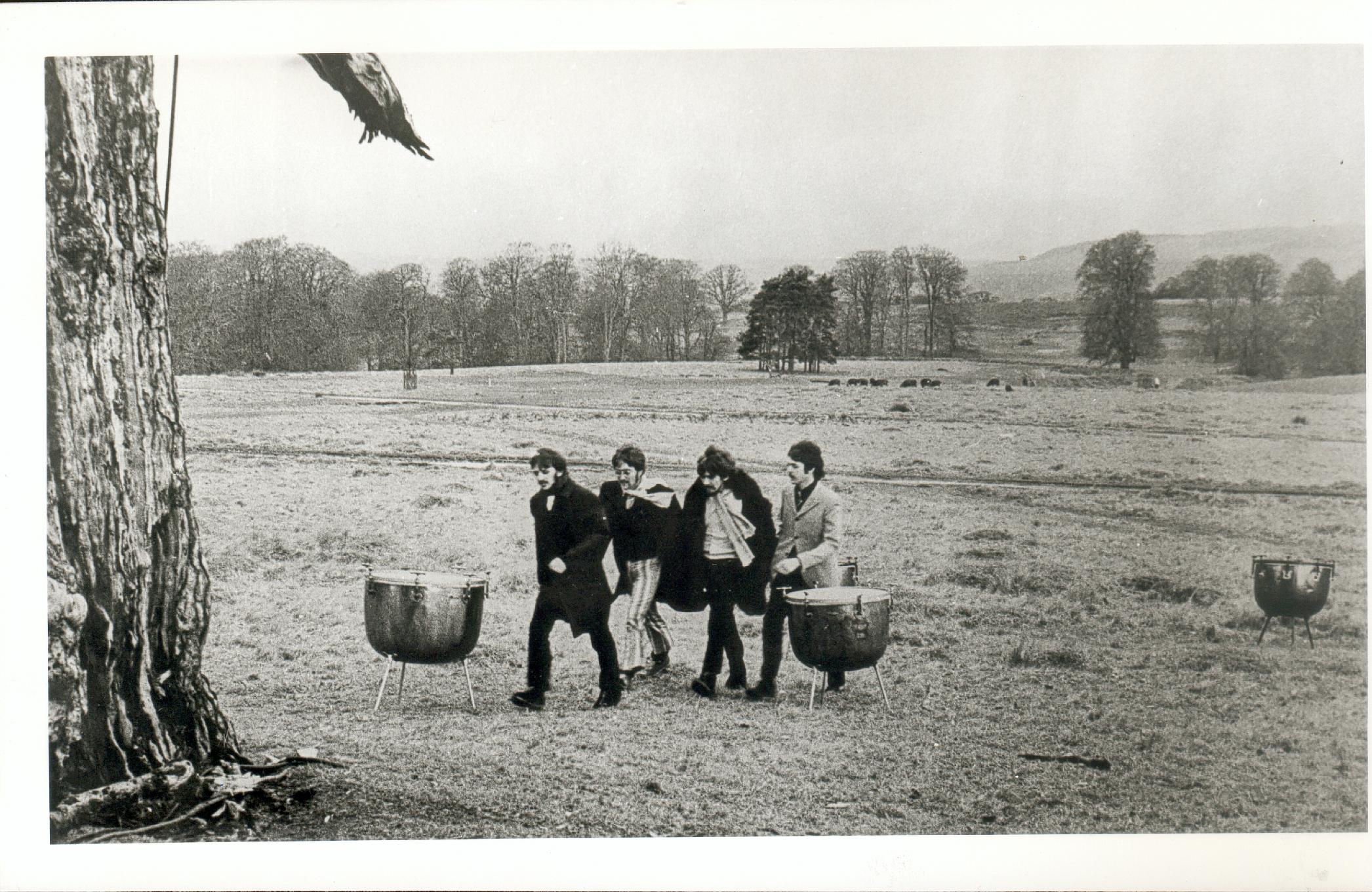
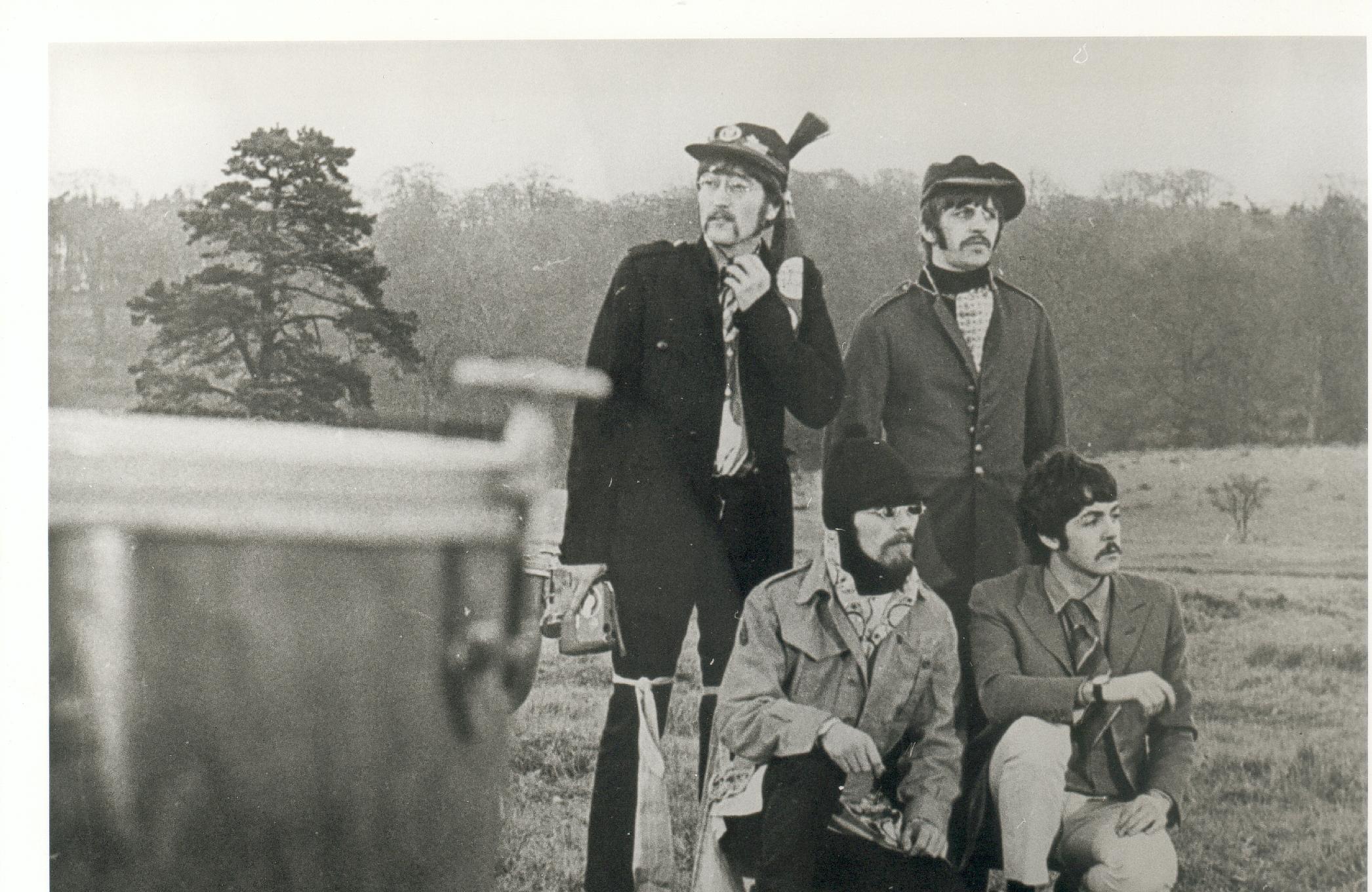
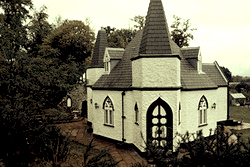

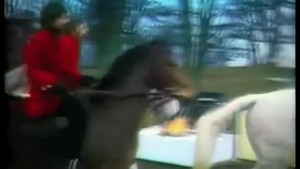
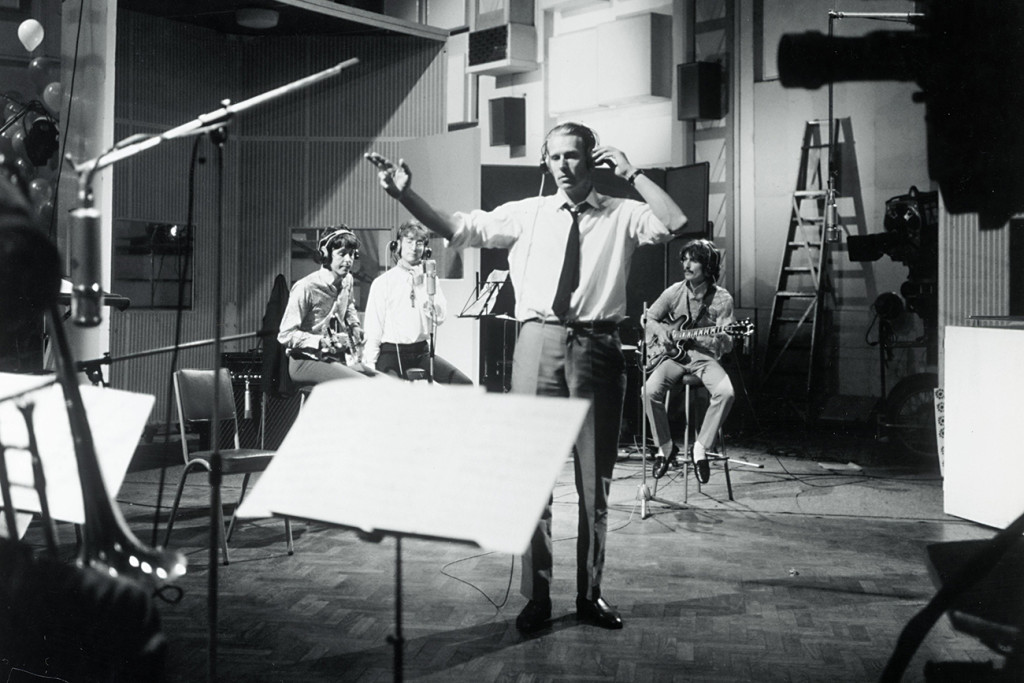
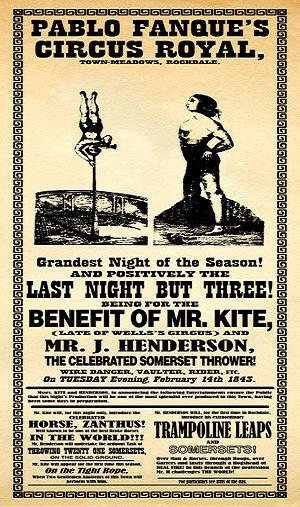 In a break during the filming, John wandered around an antique shop in the nearby town of Westerham. Here he came across an old poster, announcing Pablo Fanque’s Circus Royal; “‘.. ‘Mr. Kite’ was a straight lift. I had all the words staring me in the face one day when I was looking for a song. It was from this old poster I’d bought at an antique shop. We’d been down to Surrey or somewhere filming a piece.